
How to Protect Floors and Furniture from Sun Fading
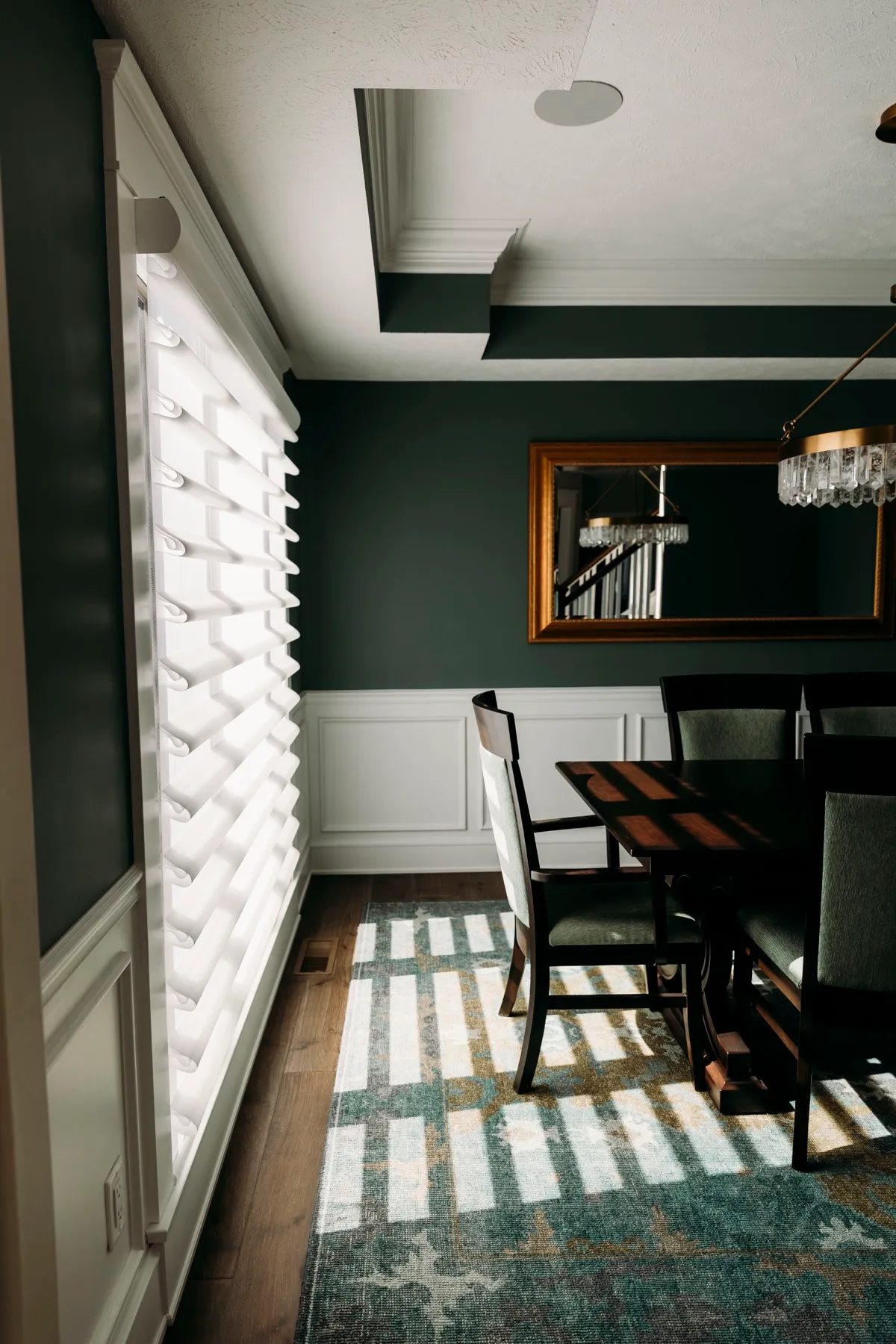
Have you ever moved a rug and found a darker rectangle of floor underneath? That’s sun fading. Over months and years, sunlight slowly bleaches hardwood floors, rugs, upholstery, artwork, cabinetry and even photos on the wall. Rooms with large south- and west-facing windows are hit hardest, and Illinois summers give the sun plenty of long afternoons to work with.
You don’t have to live in the dark to prevent it. The right window treatments let you enjoy daylight while cutting down the light that does the damage.
What causes fading?
Ultraviolet (UV) rays in sunlight are a main cause, along with visible light and heat. Standard window glass blocks some UV, but plenty still gets through, especially in older homes. And because fading is slow, most people don’t notice it until it’s done.
Which rooms need protection most
- South-facing rooms get strong sun for much of the day.
- West-facing rooms get intense afternoon sun, usually the hottest hours.
- Sunrooms and great rooms with walls of glass get light from several directions.
- Rooms with hardwood floors, dark upholstery, rugs and art show fading the most.
Designer tip: Look for “sun stripes” on your floor or furniture in the late afternoon. Wherever the sun lands for an hour or more every day is where fading will show first.
Window treatments that help
Sheer shadings
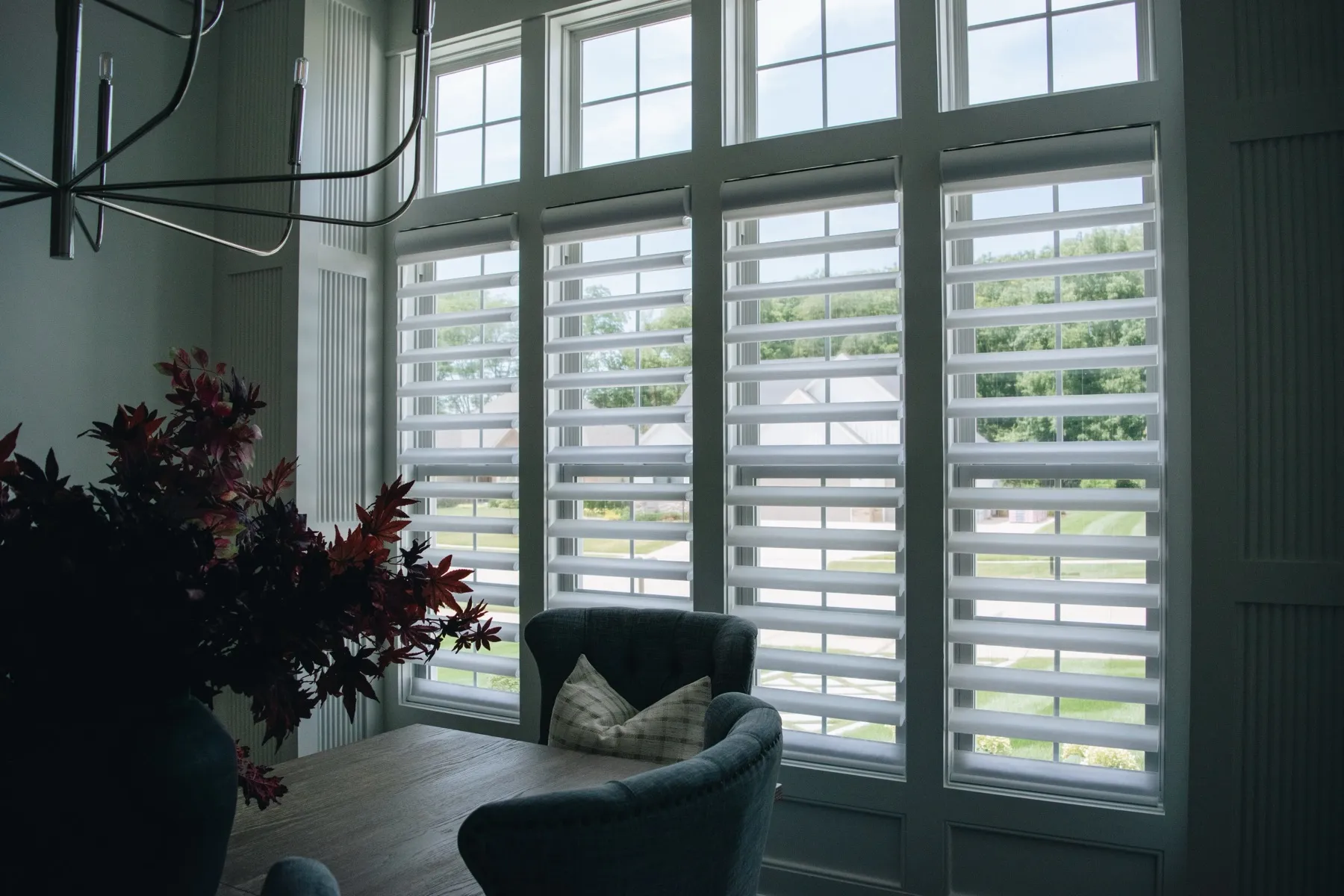
Silhouette® Window Shadings filter UV rays through their sheer facings while still letting you see outside. Soft fabric vanes tilt to control how much light comes in. It’s one of our most popular choices for sunny living and dining rooms. Pirouette® Window Shadings give a similar soft look with vanes that open like louvers.
Solar screen shades
Designer Screen Shades use screen fabrics that cut glare and help block UV rays while keeping your view. They’re great in sunrooms, kitchens and any room with a view you don’t want to cover. Tighter weaves block more; more open weaves keep more of the view.
Cellular shades
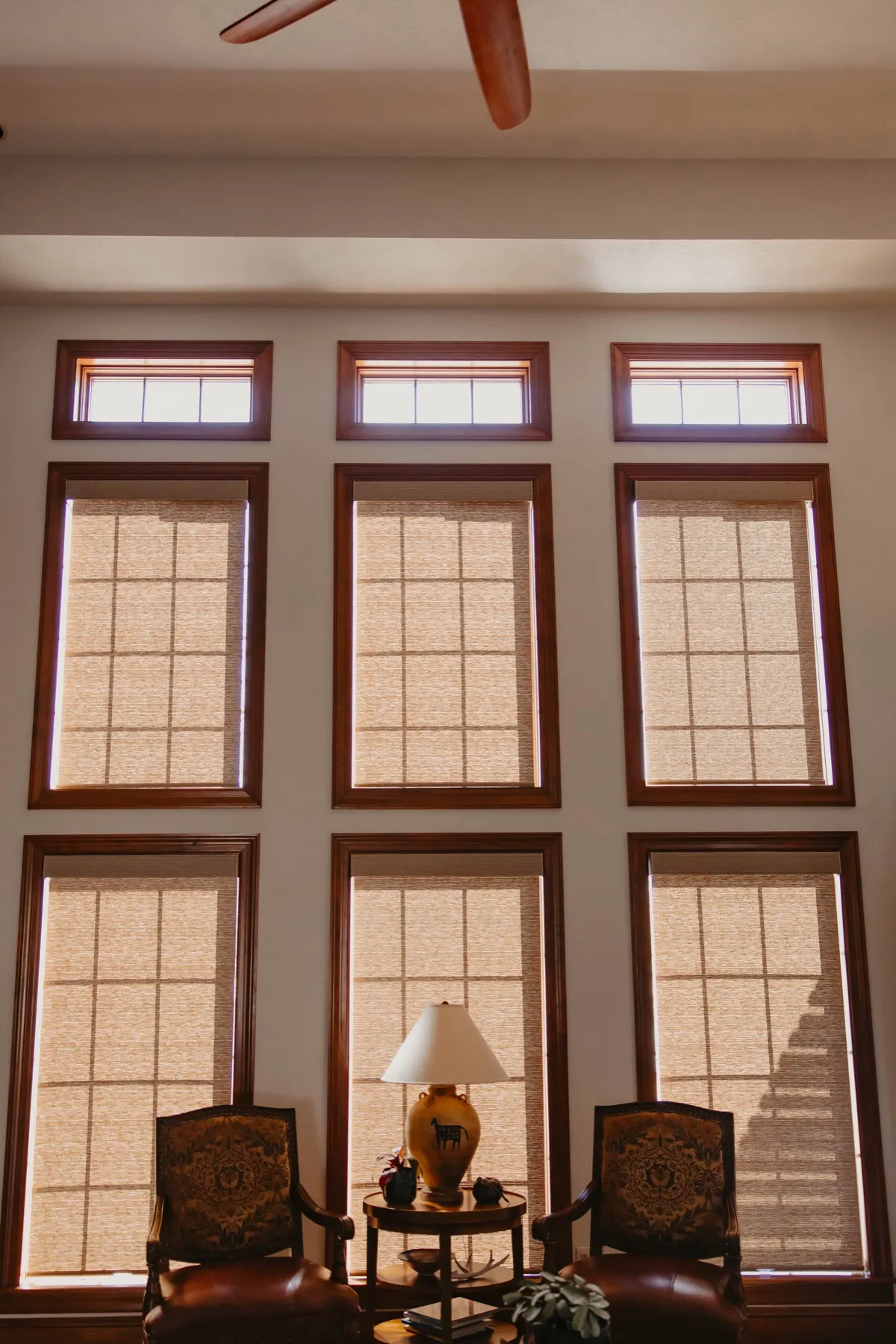
Cellular shades in light-filtering or room-darkening fabrics block direct sun when lowered and add insulation against summer heat, so the room stays cooler too.
Shutters and blinds
Closed louvers block direct sun completely. Tilting them lets you bounce light up toward the ceiling instead of across the floor, which keeps the room bright without sun hitting your furniture. See shutters and blinds.
Drapery
Lined drapery adds another layer of protection in formal rooms, and it can be closed during the sunniest hours while the shades handle the rest of the day.
Let automation do the work
The biggest cause of fading isn’t the wrong shade, it’s a shade left open during the sunniest hours. Most people leave for work with the shades up and come home after the damage is done.
With PowerView® Automation, you can set shades to lower during the afternoon and rise again in the evening, even when you’re at work or on vacation. In this family home with motorized shades, sheer shadings soften afternoon sun across the dining room floor on a schedule.
Simple habits that help
- Know your sunny windows and give them the most protection.
- Rotate rugs and move furniture now and then so any fading is even.
- Hang art and family photos away from direct sun.
- Lower shades during peak sun, or let a schedule do it for you.
- Protect the room year round. Winter sun is lower in the sky and reaches deeper into a room.
Protection that still feels bright
The goal isn’t a dark house. It’s a home that’s bright and comfortable, with furniture and floors that still look new years from now. Our designers can look at which rooms get the most sun and recommend fabrics that balance daylight, view and protection. Book a free in-home consultation, or compare sheer, screen and cellular options side by side in our showrooms.
Common questions
Do window treatments prevent sun fading?
They help a great deal. Shades that filter UV rays or block direct sun reduce the light that causes fading, and keeping them lowered during the sunniest hours makes the biggest difference.
Which rooms are most at risk for fading?
Rooms with large south- and west-facing windows get the most direct sun. Sunrooms, great rooms and rooms with hardwood floors and dark upholstery usually need the most protection.
Can I protect my furniture and still keep my view?
Yes. Sheer shadings and solar screen shades help block UV rays and cut glare while still letting you see outside.
How can motorized shades help with fading?
A PowerView® schedule can lower your shades during the sunniest hours and raise them in the evening, so your home is protected even when you're away.