
Living Room Window Treatment Ideas
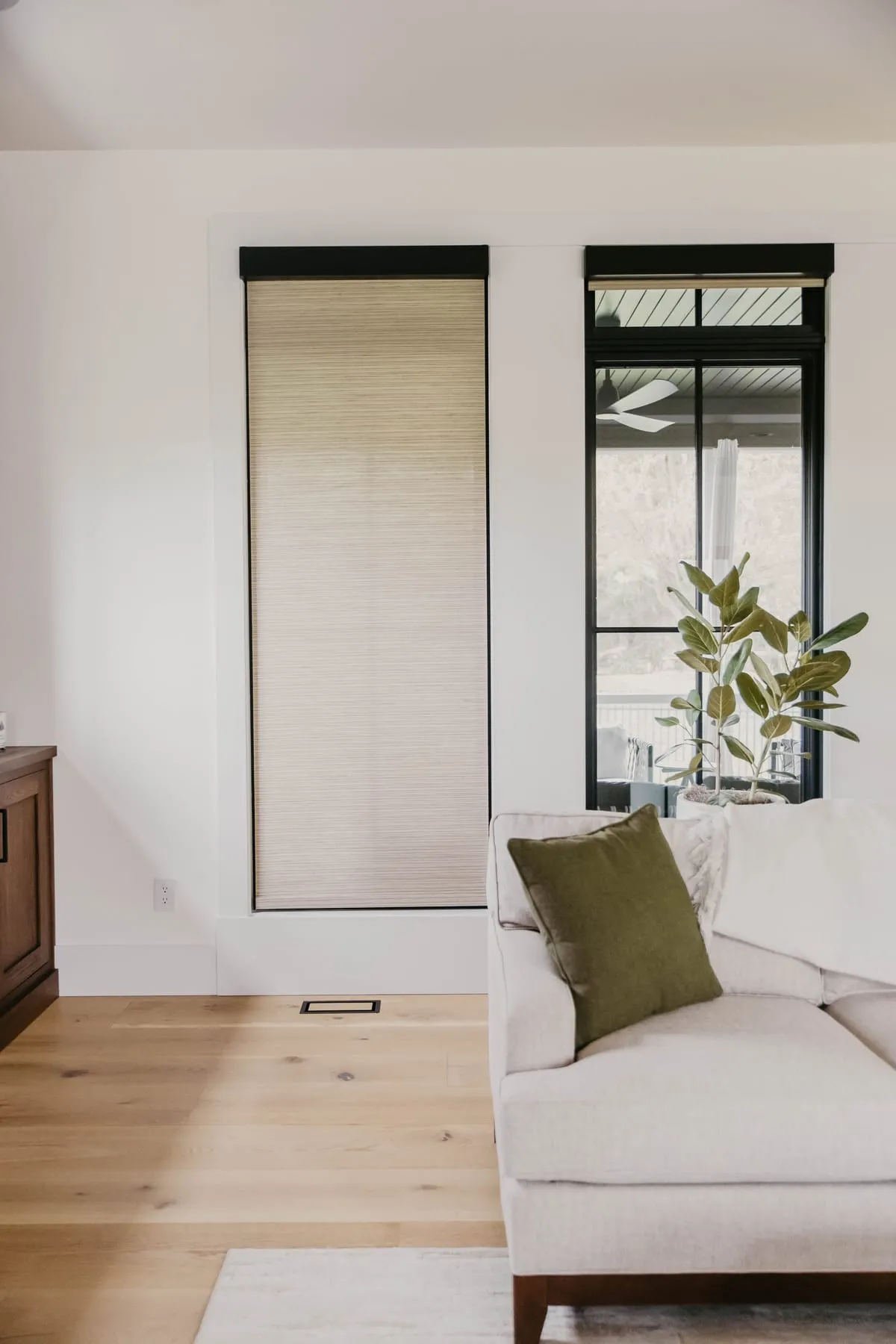
The living room is where you spend your evenings, welcome guests and watch the light change through the day. It’s also usually the room with the most windows, and the biggest ones. Its window treatments shape how the whole room feels.
Here are ideas for every style, and how to choose.
Start with how you use the room
Before picking a style, think about:
- Light. Do you want the room as bright as possible, or does afternoon sun cause glare?
- Privacy. Does the room face the street or a close neighbor?
- The TV. Does sun land on the screen at certain times?
- Comfort. Does the room run cold in winter or hot in summer?
Your answers point to the right product. Then style decides the rest.
Soft and luminous: sheer shadings
Silhouette® Window Shadings and Pirouette® Window Shadings turn daylight into a warm, even glow. Tilt the soft fabric vanes open to see outside or close them for privacy. They suit traditional and modern rooms alike and are among the most-loved living room products we install.
Classic and architectural: shutters
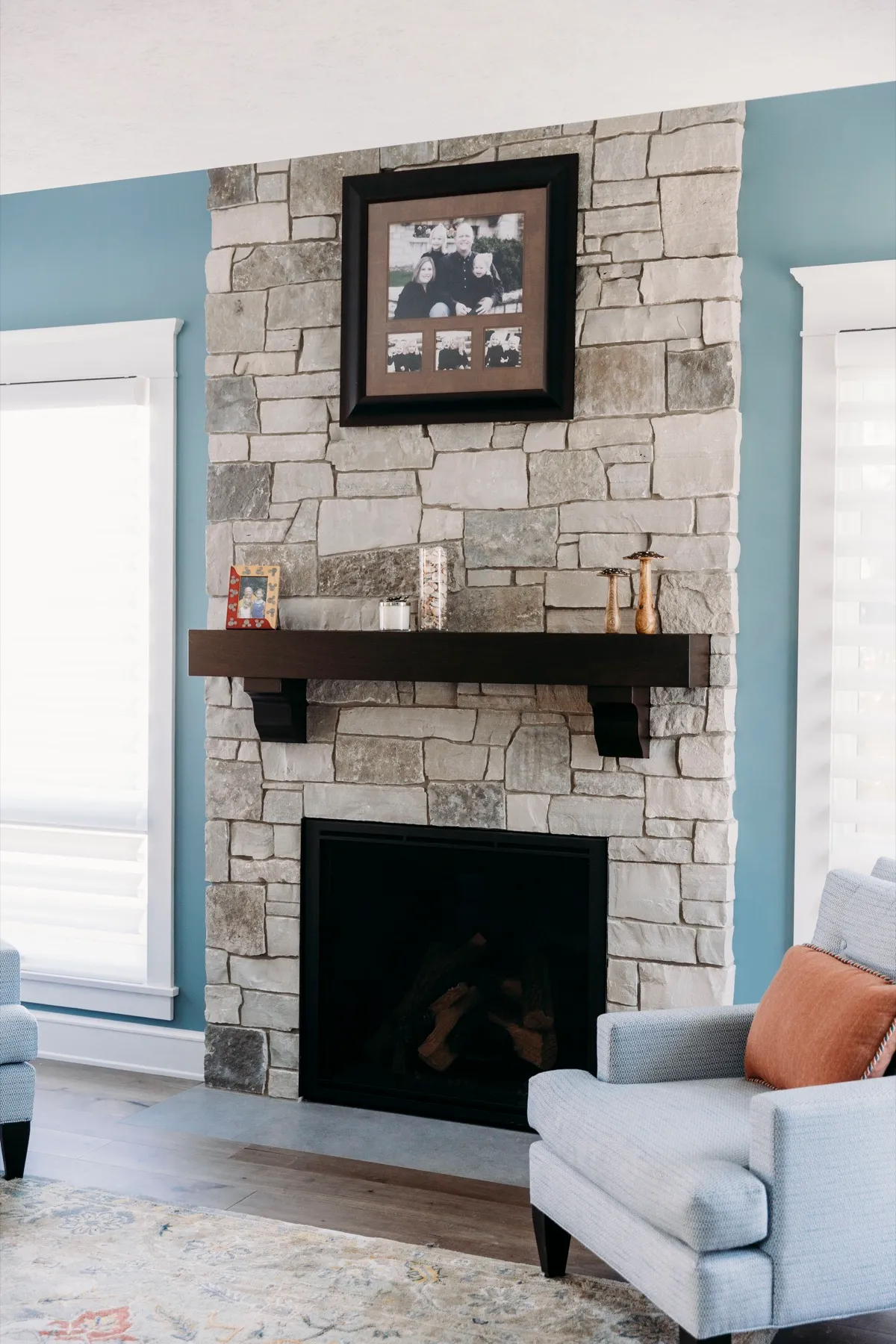
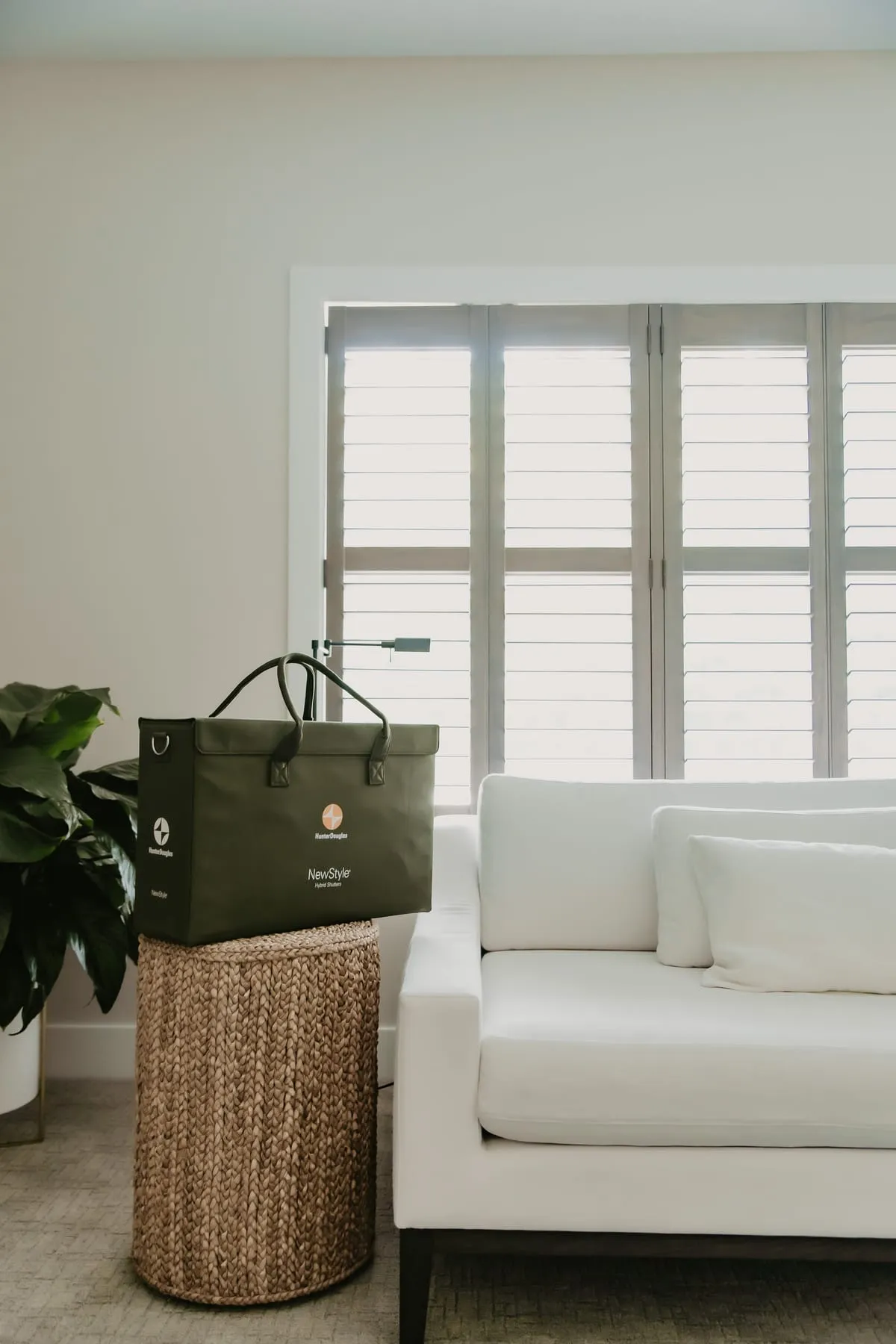
Shutters add built-in character, especially beside a fireplace or on tall windows. Tilt the louvers for soft light or close them for full privacy. They’re one of the longest-lasting window treatments you can choose. Unsure? Read shutters vs. blinds.
Natural and relaxed: woven wood shades
Woven wood shades bring texture and warmth from natural materials, perfect for coastal, organic and transitional rooms. Add a liner for privacy at night.
Tailored and soft: Roman shades
Roman shades add fabric, pattern and soft folds. Vignette® Modern Roman Shades give a clean, modern take with no exposed cords on the back.
Warm and comfortable: cellular shades
If your living room runs cold in winter or hot in summer, cellular shades help insulate the window while keeping a clean, simple look. See getting your windows ready for an Illinois winter.
Finished and layered: drapery
Drapery frames a living room like nothing else, adding color, height and softness. Pair it with any shade for the most flexible light control. See How to Layer Drapery and Shades.
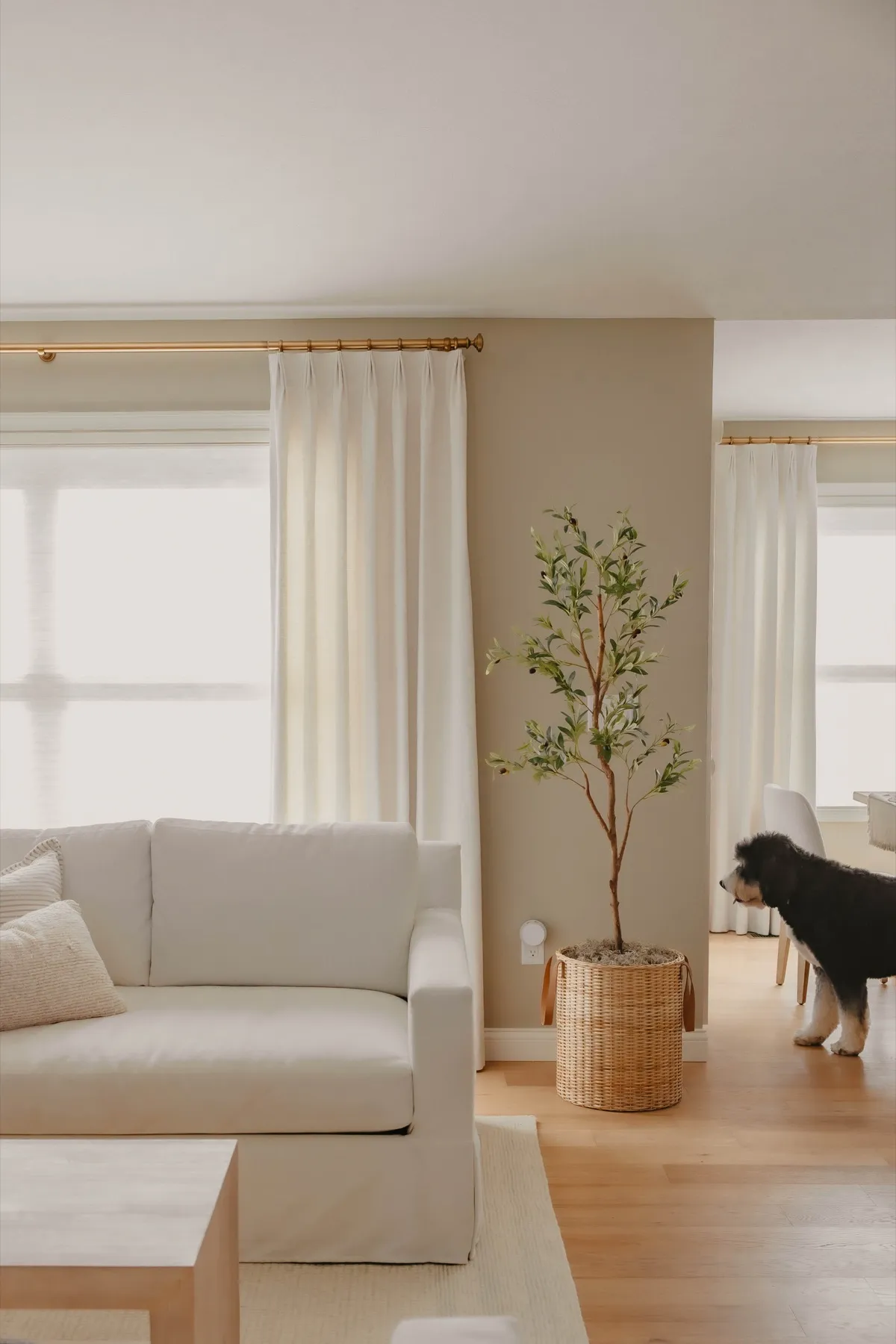
Designer tip: In an open floor plan, choose one fabric family and color for every window you can see from the sofa, then let drapery or pillows bring in the personality.
Big windows and sliding doors
Many living rooms have a wall of glass or a patio door. For tall windows, see window treatments for tall windows and two-story rooms. For doors, see the best window treatments for sliding glass doors.
Make it effortless
Living rooms often have more windows than any other room. With PowerView® Automation, one tap or a schedule moves every shade at once: open in the morning, lower during afternoon glare, closed for privacy at sunset.
See real living rooms
Browse finished living rooms in Our Work, from a classic brick home with screen shades on a two-story wall of windows to a neutral family home with soft drapery over shades. Or take the Shade Finder quiz for ideas for your own living room.
Bring your living room to life
Ready to see options in your own space? Book a free in-home consultation, and your designer will bring samples of every style that fits your room. Or visit our showrooms in Champaign, Normal and Orland Park.
Common questions
What are the most popular living room window treatments?
Sheer shadings, cellular shades, shutters, woven wood shades and drapery are all popular. Many living rooms combine a shade with drapery for softness and flexibility.
How do I get privacy in a living room without making it dark?
Choose light-filtering fabric, sheer shadings with vanes you can close, or Top-Down/Bottom-Up shades that cover the lower window while daylight comes in at the top.
Should living room window treatments match the rest of the house?
They don't have to be identical, but similar colors keep the outside of the house looking consistent and help open floor plans feel connected.
Are motorized shades worth it in a living room?
Living rooms often have the most windows and the biggest ones, so motorization makes a big difference. One tap or a schedule can move every shade at once.