
Plantation Shutters: What to Know Before You Buy
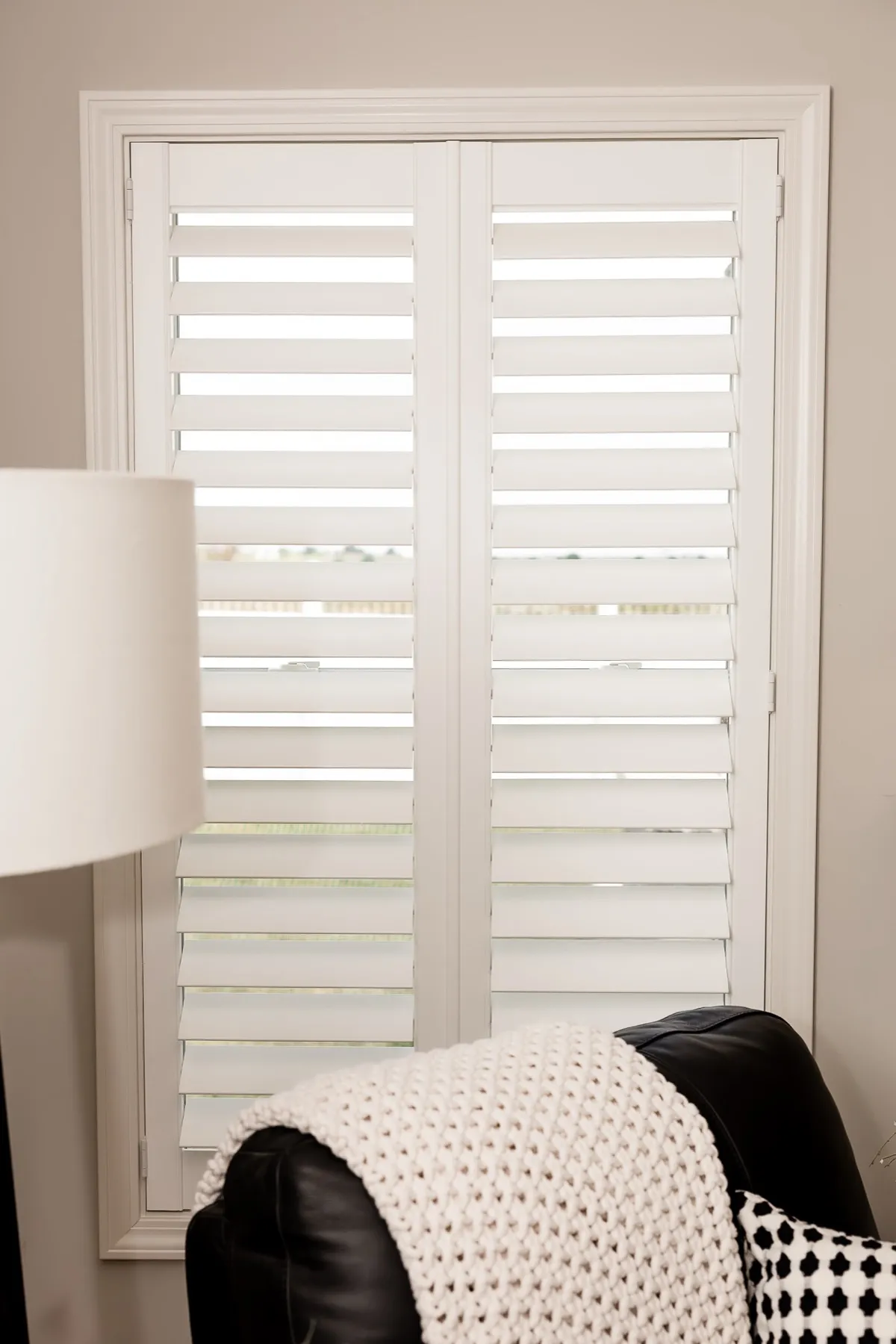
Plantation shutters are one of the few window treatments people still notice years after they go in. They’re built into the window like trim, they don’t fade the way fabric can, and they look right on houses from the 1920s and houses built last year.
They’re also a bigger decision than a shade, because you’re living with the choice for a long time. This post covers what to settle before you order.
What makes a shutter a “plantation” shutter
Just the louvers. Plantation shutters have wide slats, usually 2½ inches or more, set in a frame that mounts to the window opening. Tilt the louvers and light bounces up toward the ceiling. Close them and the room goes private. Swing the whole panel open and the glass is clear.
Older interior shutters had skinny louvers, about an inch wide. You still see them in some older homes, but the wide-louver style is what most people mean by shutters today.
Picking a material
This is where most of the decision is. Hunter Douglas makes shutters in three materials, and each one has a room where it does best.
- Real hardwood. Heritance® Hardwood Shutters are wood, finished like furniture. They can be painted or stained, and stain is the only way to match a wood floor or wood trim exactly. They’re a natural fit for living rooms, dining rooms and bedrooms.
- Hybrid. NewStyle® Hybrid Shutters look like painted wood but hold their shape better on wide panels. They’re a good choice for busy family rooms and larger windows.
- Composite. Palm Beach™ Polysatin™ Shutters are made for heat and humidity. Steamy bathrooms, the window over the kitchen sink, and windows that bake in afternoon sun are where they belong.
A lot of houses end up with a mix: hardwood in the main rooms and composite in the bathrooms, in the same white so it all reads as one look.
Louver size
Bigger louvers mean fewer slats, more light and more view when they’re open. Smaller louvers look more traditional and give a bit more privacy when tilted halfway.
Window height matters here too. A big louver on a short window can look chunky, and a small louver on a tall window can look busy. Your designer brings samples so you can hold them up in the actual opening. That’s the only way to judge it, because the same louver size can look completely different on two windows in the same house.
Questions to ask before you order
- Inside or outside mount? Shutters usually mount inside the window frame. Shallow frames, cranks and handles can push them outside the frame instead. We cover the details in our post on inside vs. outside mount.
- Will the panels hit anything? Check light switches, furniture, door handles and alarm sensors near the window. Panels need room to swing.
- Do you want a divider rail? A rail across the middle lets you open the top louvers and keep the bottom ones closed. It’s handy on street-facing windows.
- Hidden tilt or a tilt rod? A tilt rod is the classic look. Hidden tilt hardware gives a cleaner face.
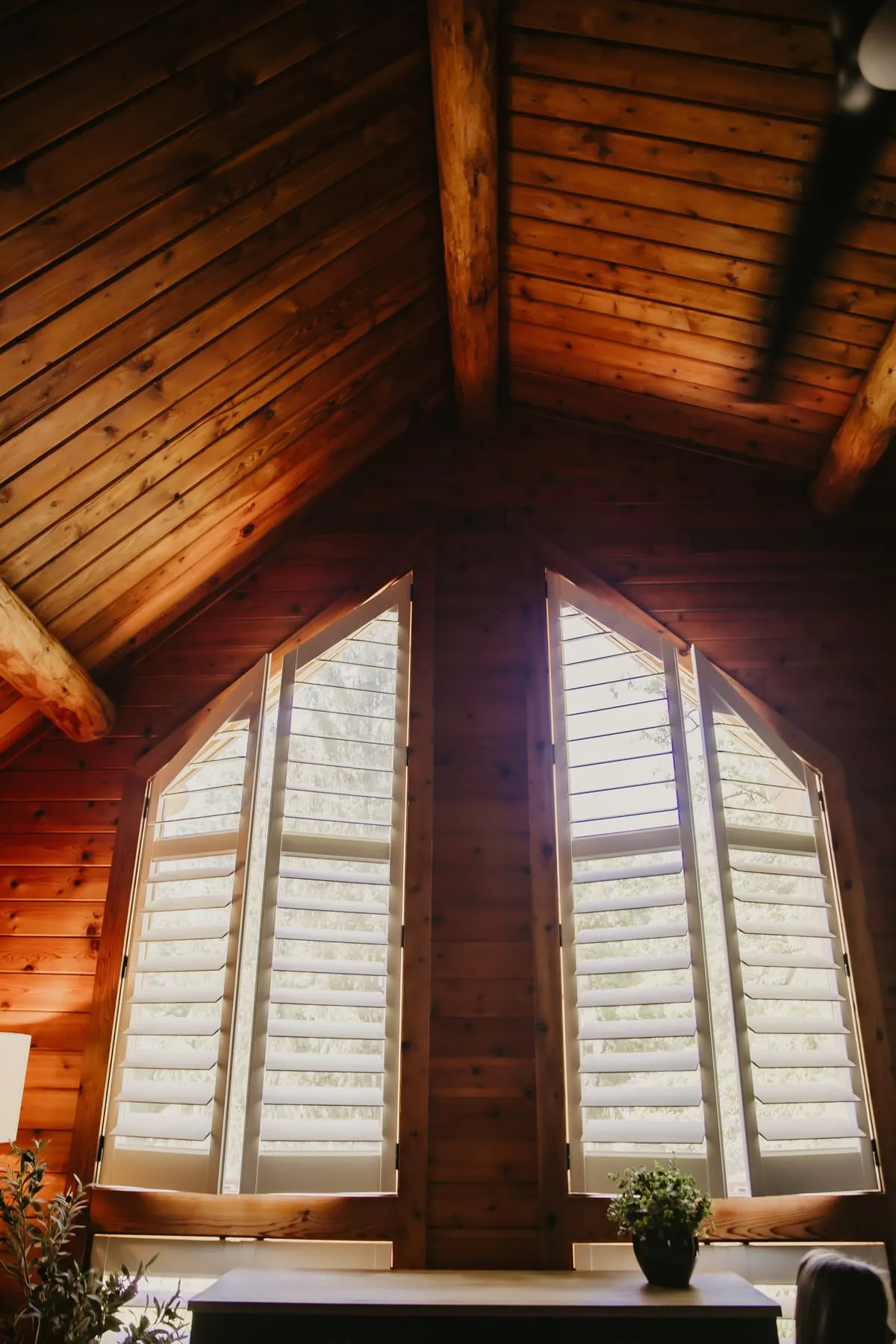
- Odd shapes? Arches and angled tops can get shutters made to the shape of the opening. See our post on arched and specialty windows.
Shutters or blinds?
Shutters are a bigger investment than blinds and take longer to make, but they last longer, clean up with a dust cloth, and many buyers see them as part of the house. Blinds are lighter, easier to raise all the way, and fit tighter spaces. Our shutters vs. blinds post goes into more detail.
If you’re weighing shutters for one room or the whole house, start with the shutters page, or book a free in-home consultation and we’ll bring the louver and finish samples to you. Every panel is measured and installed by our own team.
Common questions
What is the difference between plantation shutters and regular shutters?
Plantation shutters have wide louvers, usually 2½ inches or more. Older-style interior shutters had narrow louvers about an inch wide. Wider louvers let in more light and give you more view when they're open.
Can plantation shutters go on doors?
Yes. French doors and patio doors can take shutters on hinged or sliding panels, as long as there's room for the panels to clear the handle and swing or slide without hitting anything.
How long do plantation shutters take?
Each panel is made to order, so plan on a few weeks between the final measure and installation. Your designer gives you a timeline with the quote.