
Top-Down/Bottom-Up Shades: Light and Privacy
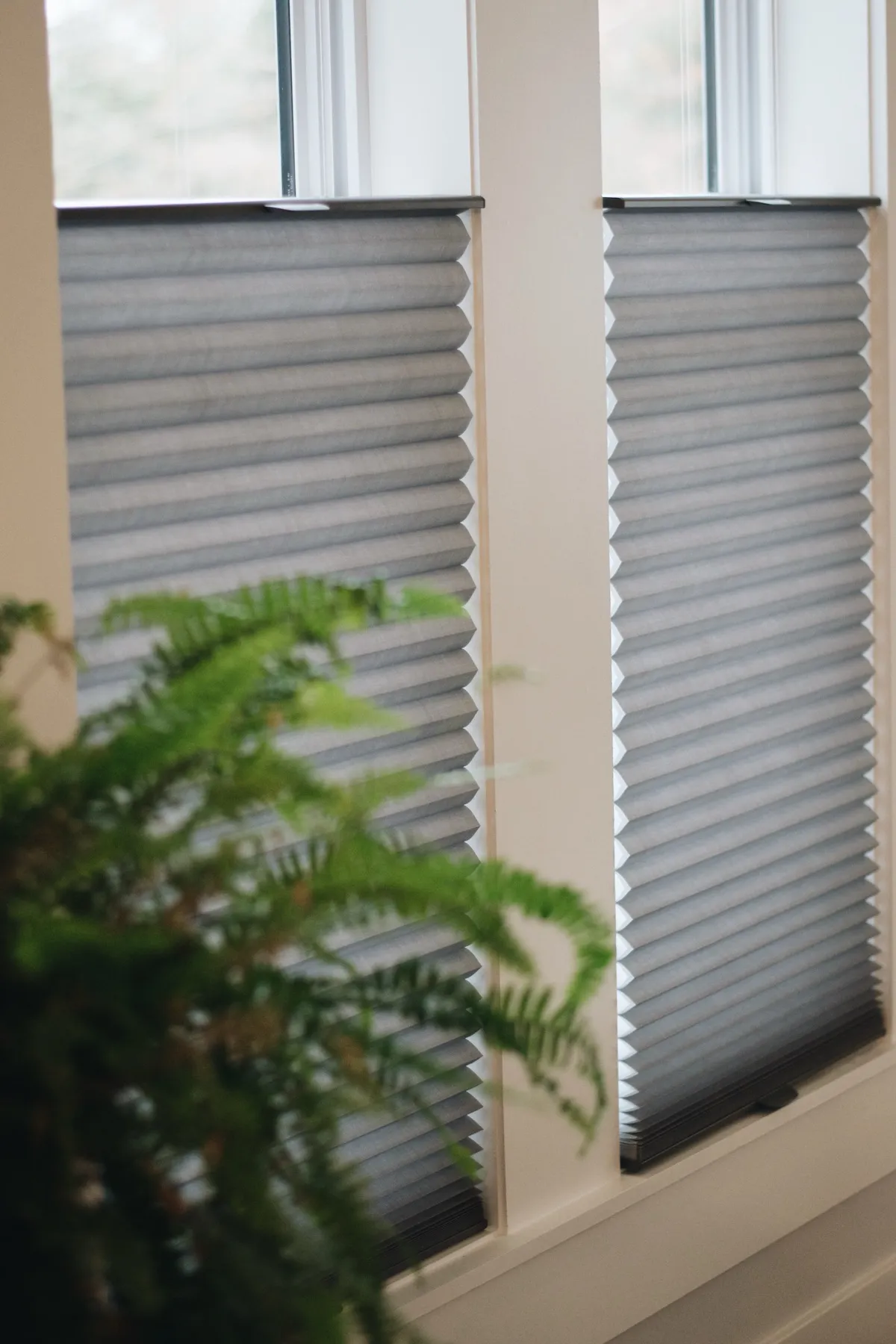
Most shades only move one way: down to cover the window, up to open it. That forces a choice many people make every day without thinking about it: daylight or privacy. Top-Down/Bottom-Up shades remove that choice, and once clients live with them, they often want them in more rooms.
How they work
A Top-Down/Bottom-Up shade has two rails that both move, one at the top and one at the bottom. That means you can:
- Raise it from the bottom, like any shade.
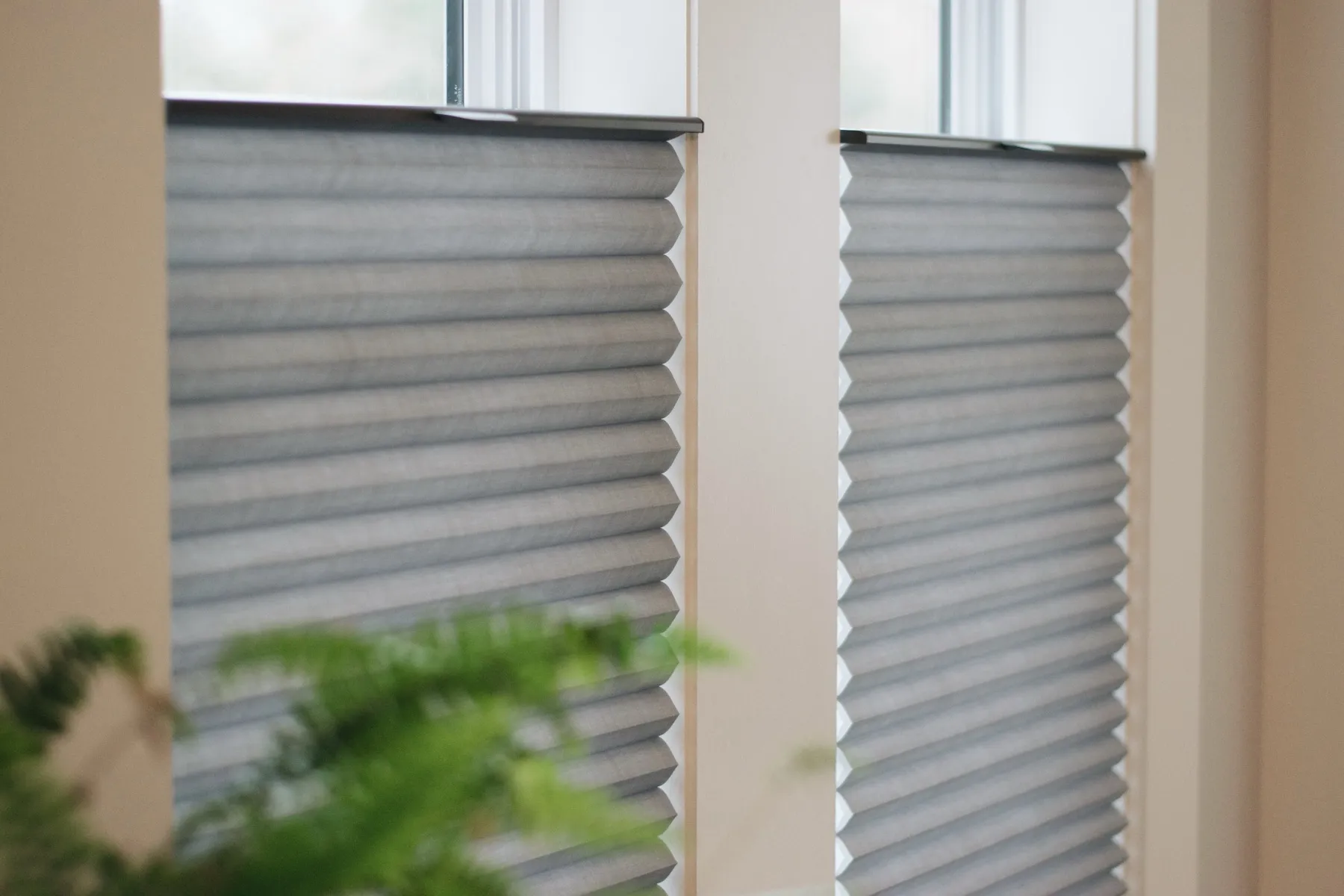
- Lower it from the top, opening the upper part of the window to the sky while the lower part stays covered.
- Position it anywhere in between, covering only the band of the window you need.
The result: daylight comes in over your head, and neighbors or people walking by can’t see in.
Why the top of the window matters
Light from the top of a window travels deeper into a room and bounces off the ceiling, so a room feels brighter than you’d expect with only part of the window open. And because people outside are looking in at eye level, covering the lower half gives most of the privacy you need.
Where they work best
Bathrooms
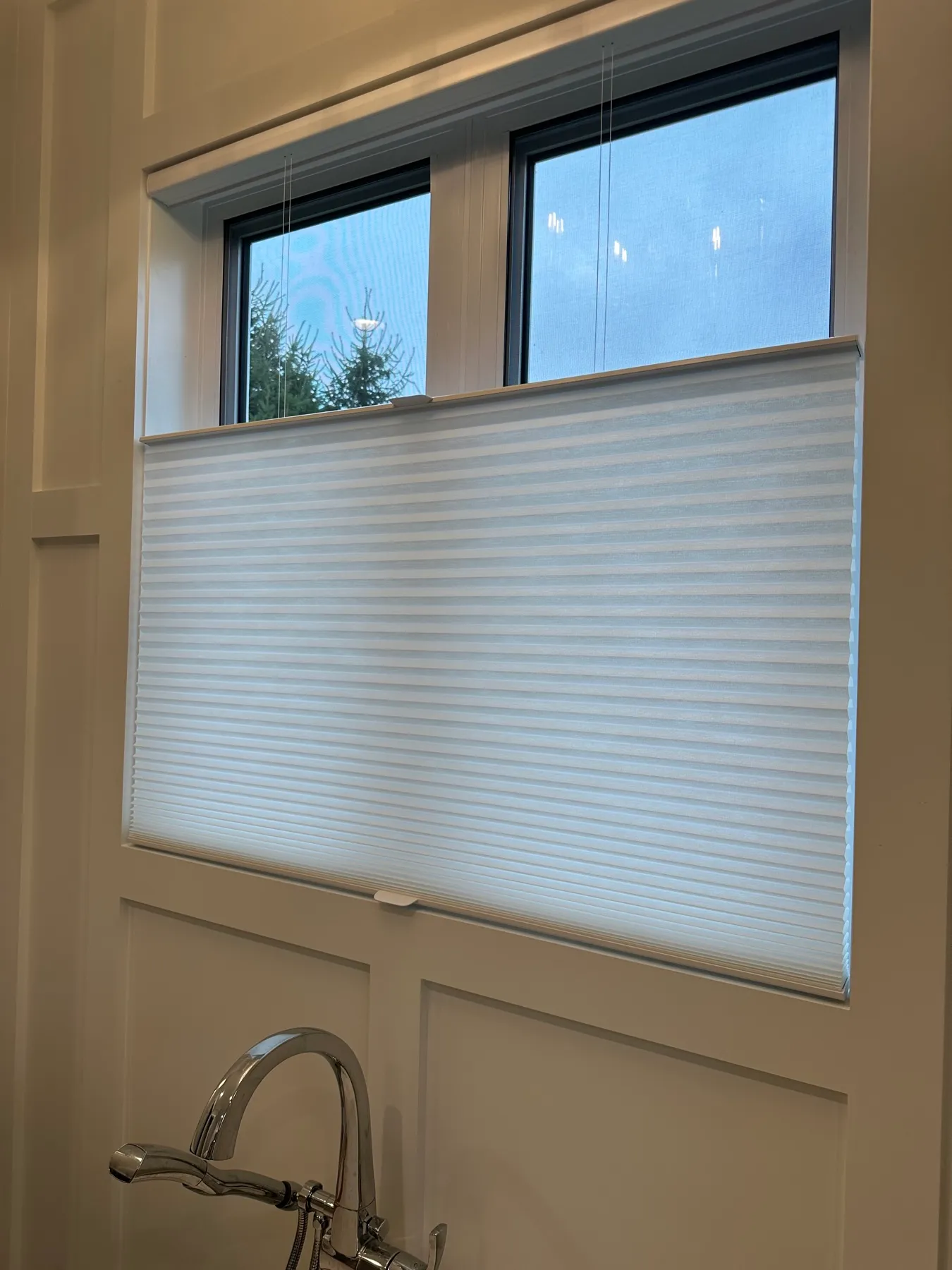
The classic use. Lower the shade a foot or two from the top for natural light, and keep the rest of the window covered. Our kitchen and bathroom guide has more ideas.
Bedrooms
Let morning light in at the top while keeping the room private, perfect for a street-facing bedroom. In a room-darkening fabric, close it fully at night. See bedroom window treatments for better sleep.
Street-facing living rooms
Homes close to the sidewalk or the house next door can enjoy daylight all day without feeling on display. This is especially common in older neighborhoods and newer subdivisions where houses sit close together.
Home offices
Light from above reduces glare on screens compared to light coming in at eye level. More in our guide to home office window treatments.
Tall windows
On tall windows, lowering the shade from the top keeps a big room bright while covering the part of the window at eye level. In this new build, every tall window uses top-down cellular shades for exactly that.
Designer tip: Stand outside your house in the evening with the lights on inside. You’ll see right away which windows need privacy at the bottom and which can stay open at the top.
Which shades offer it
Top-Down/Bottom-Up is available on many styles:
- Duette® Honeycomb Shades, which also offer dual-fabric options and many colors and pleat sizes.
- Other cellular shades, the most popular choice for this lift.
- Select Roman and woven wood shades, for a softer look.
Your designer can tell you exactly which fabrics, sizes and colors it comes in.
Cordless or motorized
Top-Down/Bottom-Up shades come with cordless operation: you simply move each rail by hand to where you want it. On tall windows or windows over a tub, PowerView® Automation makes them even easier, and a schedule can move the top rail down each morning on its own.
Combine it with the right fabric
Top-Down/Bottom-Up works with any opacity. Light-filtering fabric is the most popular for living spaces and bathrooms, and room-darkening fabric gives bedrooms both options. Not sure which you need? Read light-filtering vs. room-darkening vs. blackout.
Try it yourself
It’s one of those features that makes sense the moment you move a shade yourself. Every one of our showrooms in Champaign, Normal and Orland Park has Top-Down/Bottom-Up displays, or we’ll bring samples to your free in-home consultation and help you decide which windows would benefit most.
Common questions
What does Top-Down/Bottom-Up mean?
It's a lift system with two moving rails. You can raise the shade from the bottom like any shade, or lower it from the top to open the upper part of the window while the lower part stays covered.
Which shades come in Top-Down/Bottom-Up?
It's available on many cellular shades, including Duette® Honeycomb Shades, and on select Roman and woven wood shades. Your designer can tell you which fabrics and sizes it comes in.
Are Top-Down/Bottom-Up shades cordless?
Yes. They're available with cordless operation, where you move each rail by hand, and many can be motorized with PowerView® Automation.
Where are Top-Down/Bottom-Up shades most useful?
Bathrooms, street-facing bedrooms and living rooms, homes close to the neighbors, and home offices where you want daylight without glare at eye level.